
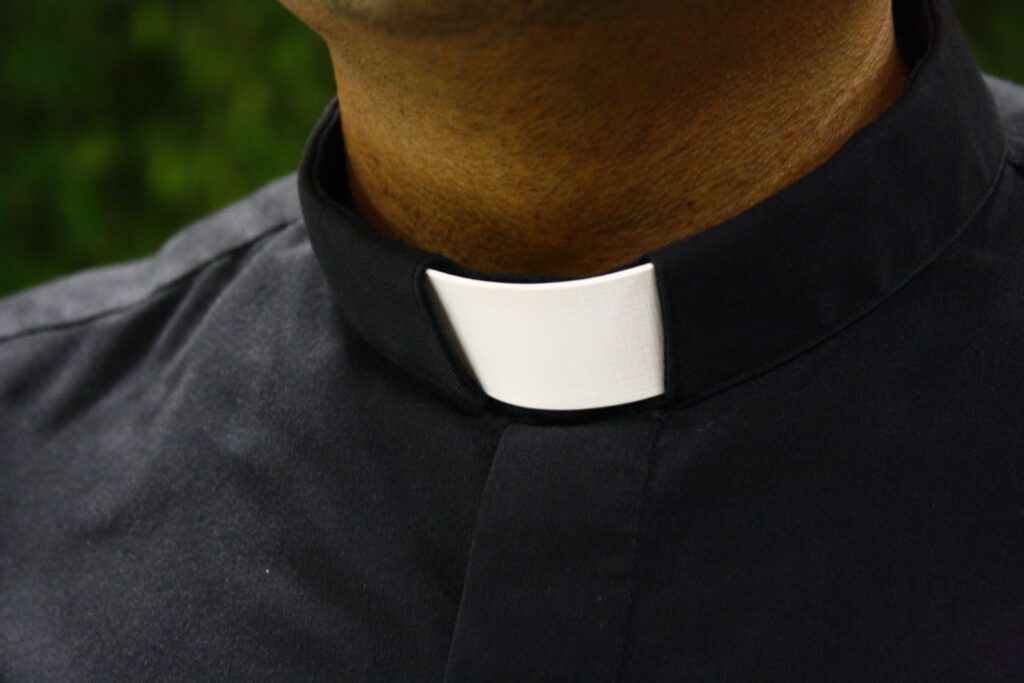
The Sacrament of Holy Orders: Christ’s Call to Shepherd His People
The Sacrament of Holy Orders configures certain baptized men to Christ as priest, teacher, and shepherd, continuing His mission through bishops, priests, and deacons who serve the Church with love and the Holy Spirit’s power—vital for parishes like St. Hilary of Poitiers, where we pray for and support those discerning this lifelong gift.
What Is Holy Orders?
Holy Orders is the sacrament through which the mission entrusted by Christ to His Apostles continues in the Church: the apostolic ministry in three degrees—episcopate (bishops), presbyterate (priests), and diaconate (deacons). Bishops alone confer it, extending apostolic succession by imposing hands and praying for the Holy Spirit’s gifts.
“Holy Orders is the sacrament through which the mission entrusted by Christ to his apostles continues to be exercised in the Church until the end of time: thus it is the sacrament of apostolic ministry.” (Catechism of the Catholic Church, 1536)
Unlike Baptism or Confirmation, it imprints an indelible spiritual character, configuring the ordained indelibly to Christ the Head for service—not power, but pouring out grace on the flock.
Who Receives Holy Orders and Why?
Only baptized men (viri), duly recognized by Church authority, receive Holy Orders—no one claims it; God calls, the Church discerns. In the Latin Church, priests embrace celibacy freely for God’s kingdom.
Jesus chose men to publicly exercise His priestly office as Teacher, Priest, and Shepherd, making all believers a royal priesthood while ordaining some for specific service. Priests extend Christ’s presence “by the power of the Holy Spirit, in God’s name and with love,” shepherding not by human strength but Christ’s Heart.
Today, vocations face challenges amid declining numbers, yet all Christians share a fundamental baptismal discipleship, with Holy Orders and marriage as paths to gift one’s life.
The Degrees and Effects of Holy Orders
- Bishop: Successor of Apostles, full sacrament; ordains others, governs, teaches, sanctifies.
- Priest (Presbyter): Collaborates with bishop; presides at Eucharist (non-delegable), forgives sins, shepherds.
- Deacon: Serves table of Word and altar; aids bishop/priests in charity, liturgy.
Effects: Outpouring of Holy Spirit for ministry; indelible character; grace to act in persona Christi. Priests form ongoingly amid rapid changes.
“The Lord Jesus wills to choose certain ones to carry out a priestly office publicly in the Church, in his name and on behalf of mankind.” (Holy Mass with Priestly Ordinations – Homily of His Holiness Pope Francis – Vatican Basilica Fourth Sunday of Easter, 26 April 2015)
Discernment and Preparation at St. Hilary
No one has a right to Orders—it’s God’s initiative. The Church risks in calling, as the Father does. Parishes foster vocations through prayer, education, accompaniment—like our diocese’s efforts.
Exploring a vocation? Contact the Diocese of Houma-Thibodaux Vocations Office for guidance, retreats, and support tailored to our bayou communities.
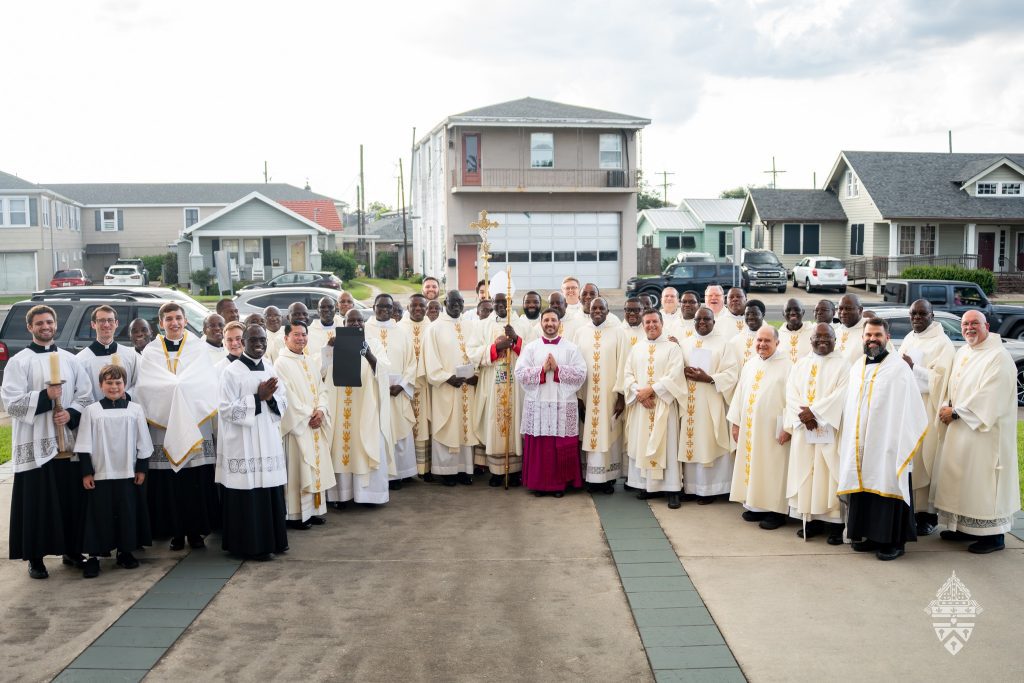
The Rite of Holy Orders
The essential rite for all degrees: bishop’s imposition of hands and consecratory prayer invoking the Spirit.
Living Holy Orders in Our Community
Support priests/deacons at St. Hilary: pray daily for vocations, invite youth to discern, welcome seminarians. In summary, Holy Orders empowers men to continue Christ’s priesthood for the flock’s good—pray, discern, support it generously to build up our diocese and parish.